
Veneers – Dublin, CA
A Versatile Solution to Perfect Your Smile
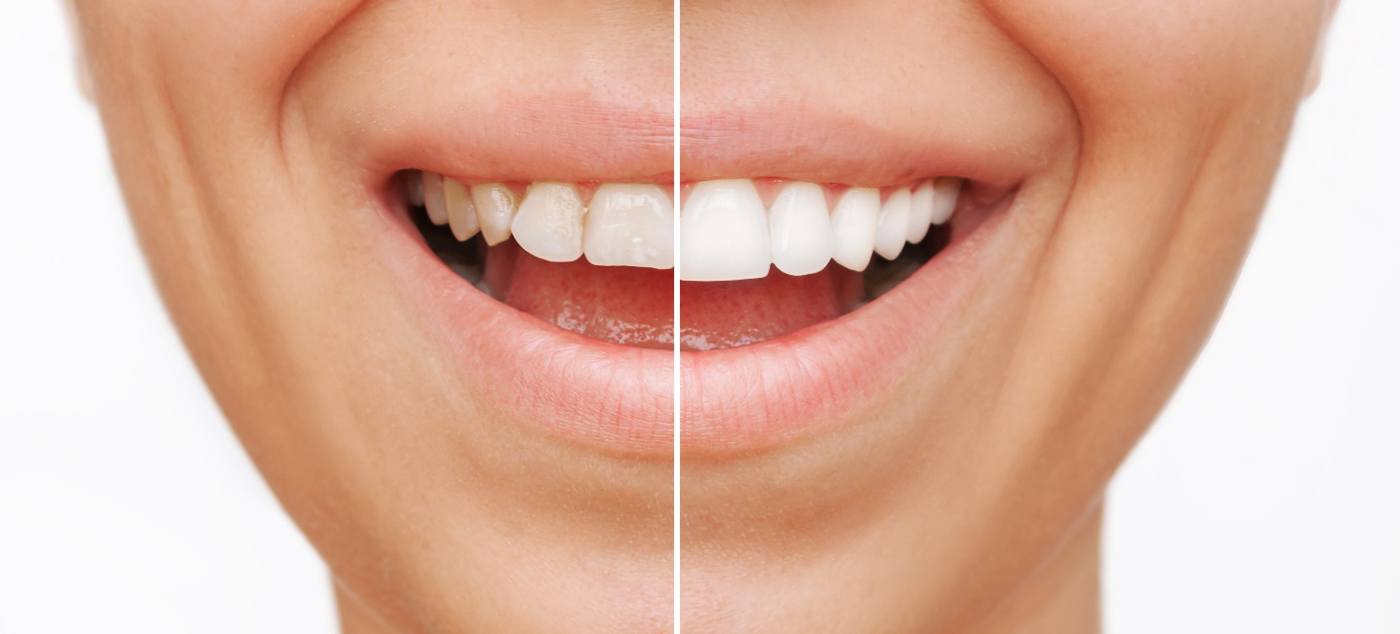
Having flawed teeth can leave you feeling so self-conscious about the state of your grin that it impacts your daily quality of life. For example, you might avoid social interactions or try to remain tight-lipped instead of laughing or conversing with others.
Fortunately, our team at Waterford Dental Group has a versatile solution to perfect your smile with dental veneers. Continue reading below to learn more about this cosmetic treatment and how it can benefit you! If you have additional questions, please contact us and we’d be happy to provide more information.
Why Choose Waterford Dental Group for Veneers?
- Digital Imaging & Impressions For Increased Accuracy
- Beautiful, Tooth-Colored Materials
- Flexible Financing Available
What Are Dental Veneers?
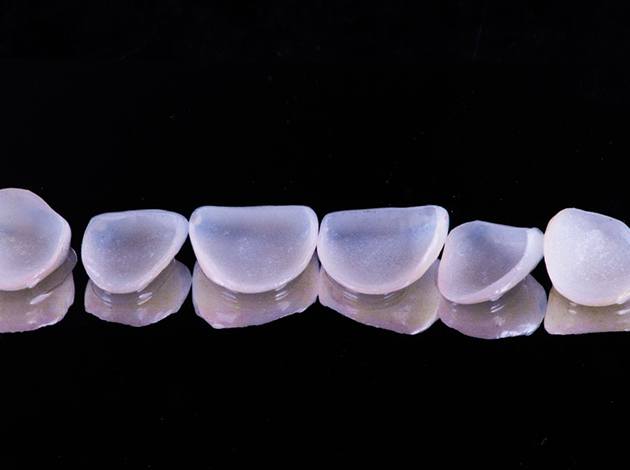
Dental veneers are thin, porcelain covers that are bonded to the front surface of your teeth to mask imperfections. They’re coated with a glaze so durable that it helps resist chipping and staining which can offer an added layer of protection for your grin. Plus, they’re customized to match the shade and shape of your natural teeth so that they look and feel lifelike.
Veneers can be used to address several minor aesthetic issues including:
- Slightly worn down or misshapen teeth
- Chips, cracks, or breaks
- Stubborn stains or blemishes
- Small gaps or spaces
- Somewhat crooked teeth
The Process of Getting Veneers
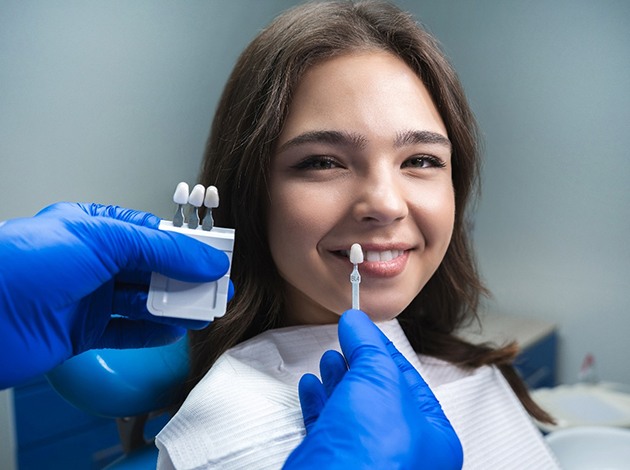
Before you can be fitted with veneers, you must first have a consultation appointment with one of our experts. They’ll examine your mouth and learn about your medical history to verify whether this is the best option to help you meet your dental goals.
Then, we’ll remove a small layer of enamel from your teeth so that the veneers can line up properly against your gums without standing out. Because this layer doesn’t grow back, the change is considered irreversible. Most patients feel it’s worth it, however, because once the shells are in place they shield your grin from potential harm.
Next, our team will take digital images and impressions of your teeth to send to a dental laboratory to build your veneers. Once they arrive at our location, we’ll schedule an appointment for you to come in so we can place the final product.
The Benefits of Veneers

This treatment continues to gain popularity because of the many unique advantages it provides, including:
- Veneers can last 15+ years if cared for properly.
- Cleaning your veneers is as simple as brushing and flossing twice daily.
- These shells can mask several different flaws to enhance your appearance while simultaneously protecting your teeth.
- The porcelain material is more resistant to chips, breaks, and stains than your natural teeth.
- Natural appearance. They’re built to match the color and shape of your grin so no one can tell the difference.
Understanding the Cost of Veneers

We’ll provide a detailed estimate of the anticipated cost for your veneers after your consultation. They often cost more initially than other cosmetic services, but you could save money in the long run because they’re more resistant to damage and can last much longer. That means they’re less likely to require expensive repairs or replacements.
Because veneers are not considered essential for your dental health, many insurance companies don’t cover the cost. We believe that your budget shouldn’t keep you from achieving the smile of your dreams, though, and so offer flexible financing through CareCredit. By partnering with this third party, you’re able to break up your payment into more manageable installments.
Veneers FAQs
Are veneers permanent?
Perhaps because the first set of veneers was a temporary solution to help improve a movie star’s smile for the big screen, some patients today still wonder whether these shells are intended to be easily removed once they’ve been placed. However, these restorations are not meant to be taken off except by a qualified professional, such as one of our Dublin providers.
Furthermore, for them to fit correctly, we must remove a small amount of enamel from your teeth, which doesn’t grow back. That means this service involves making irreversible changes. Despite this, veneers might not always be considered permanent, because they could eventually wear down and require replacement.
What happens to the teeth under veneers?
If you’re worried that getting veneers will harm your teeth, you can thankfully set your fears aside. Our team will examine your teeth and gums before proceeding to ensure you’re a good candidate, and will treat any decay, disease, or other concerns that might negatively affect the outcome.
Thankfully, these customized prosthetics are durable enough to help prevent potential chips, cracks, and discoloration. But it’s essential that you continue to brush and floss regularly to prevent common concerns, such as cavities or periodontal disease, that could cause the restorations to fail.
What can’t I eat with veneers?
Although veneers are coated with a glaze that helps them resist staining or injuries, they’re not completely invincible. For instance, you might inadvertently hurt one or push it out of place while eating anything too hard, crunchy, or sticky.
Not only that, but consuming overly sugary foods attracts harmful bacteria that can hurt the underlying teeth and cause failure. You should also steer clear of common culprits, such as coffee, tea, berries, and wine, known to tint the shells a deeper shade. Our team will provide a more comprehensive list of dietary restrictions to help you maintain your beautifully restored smile.
Does getting veneers hurt?
Are you worried that the process of placing your one-of-a-kind enhancements might hurt? It’s normal to want to avoid potential pain, but this treatment isn’t known to hurt. With that said, it’s possible to develop temporary sensitivity after your enamel has been adjusted to accommodate your treatment, especially when eating anything overly hot or cold.
Fortunately, this side effect is usually temporary and resolves itself after a few days. In the meantime, taking the recommended dosage of over-the-counter pain medications, such as ibuprofen or acetaminophen, can often help keep associated symptoms to a minimum.